.webp)
Rising costs are a reality for every business. From increases in business rates and employer National Insurance contributions to the minimum wage, many organisations are feeling the squeeze. However, with a strategic approach, you can protect your bottom line and maintain profitability. Here’s a practical guide.
Many businesses overpay on business rates because their property valuations are outdated or incorrect. The first step is to ensure your rateable value reflects reality by using the Check, Challenge, Appeal (CCA) process. Areas to review include floor space, storage, structural changes, or shared premises.
Reliefs are also available depending on the size and sector of your business. Small Business Rate Relief, Retail, Hospitality and Leisure Relief, and Hardship Relief may all apply, and in some cases, charitable relief is available.
Businesses can also consider relocating to properties with lower rateable values or negotiating with landlords to reclassify areas such as storage versus retail space. Using the property more efficiently, such as subletting unused areas or sharing premises with complementary businesses, can also reduce costs.
Employers can use salary sacrifice schemes to reduce National Insurance for both themselves and their employees. Pension contributions, cycle-to-work schemes, electric vehicle company car schemes, or properly structured private healthcare plans are all viable options.
Staffing can also be optimised by using part-time or flexible staff, reducing reliance on overtime, and automating repetitive tasks to lower NI-liable roles. Businesses with an NIC bill under £100,000 may benefit from the Employment Allowance, which can reduce the NI bill by up to £5,000 per year.
It is also worth reviewing the balance between contractors and employees, as outsourcing some roles may be more cost-effective, provided compliance with IR35 regulations is maintained.
As wage costs rise, it becomes essential to ensure that each paid hour delivers maximum output. Businesses should improve workflow efficiency, introduce automation or self-service options, provide staff training, and remove non-value-added tasks.
Staffing patterns can also be adjusted to match peak demand using real data rather than habit. Shorter or split shifts and cross-training staff to handle multiple roles can reduce overstaffing.
Non-cash employee benefits, such as discounts, flexible schedules, or training programs, can supplement wages without significantly increasing costs.
To absorb rising costs, businesses can implement small, regular price increases rather than a single large hike, and adopt value-based pricing strategies wherever possible.
Introducing higher-margin products or services, upselling, cross-selling, creating bundles, and offering subscription options are all effective ways to increase revenue. Diversifying revenue streams can also help, whether through online sales, partnerships, consulting, training, or recurring subscription models.
Overhead costs should be reviewed regularly. Utilities, supplier agreements, software subscriptions, insurance, and logistics all represent areas where many businesses can achieve significant savings simply by reviewing contracts.
Suppliers can be renegotiated through bulk buying, long-term agreements, or switching to alternative providers. Energy efficiency improvements, such as LED lighting, programmable equipment, insulation, and reduced heating or cooling usage, can further reduce costs.
Maintaining healthy cash flow is essential when facing rising costs. Shortening payment terms with clients or suppliers, using invoice factoring when appropriate, taking deposits for bookings or orders, reducing stock levels to free up working capital, and tightening credit control can all help ensure that the business has sufficient liquidity to absorb additional expenses.
Businesses may benefit from restructuring or legal adjustments. Moving from a sole trader to a limited company, separating trading and property ownership, or using group structures can optimise tax and National Insurance obligations.
Reviewing VAT arrangements, such as flat rate schemes, cash accounting, or VAT grouping, can also provide financial benefits. When businesses are under significant financial pressure, it is wise to seek advice from a qualified insolvency practitioner, such as Molly Monks.
Early consultation can provide options before difficulties escalate, helping business owners make informed decisions about restructuring, debt management, or recovery strategies.
To illustrate how these strategies work in practice, consider a small café with eight employees and a single premises. The café faces rising business rates, employer NI, and minimum wage increases.
By checking its rateable value, the café identifies unused storage space that can be sublet to a local bakery, reducing its rates and generating additional income. Staffing is adjusted with cross-trained baristas and cashiers, and flexible shifts to match peak demand, keeping NI costs manageable.
The café introduces higher-margin products, upsells pastries with coffee, and launches a subscription service for weekly coffee deliveries, diversifying revenue streams. Non-labour costs are reduced through LED lighting and programmable coffee machines, while cash flow is improved with advance orders and tighter stock management.
Finally, the owner seeks advice from an insolvency practitioner to ensure the café remains sustainable if pressures continue to rise.
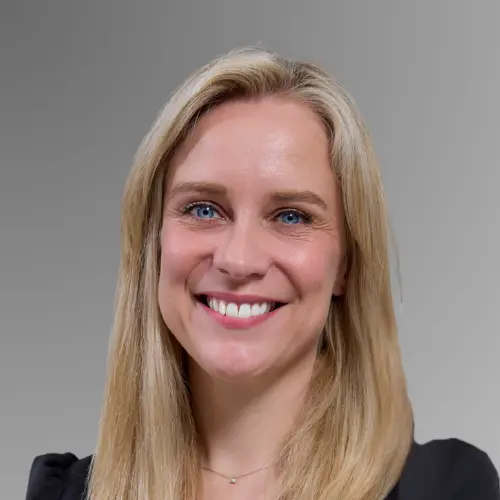
I am Molly Monks, a licensed insolvency practitioner at Parker Walsh. I have over 20 years of experience helping directors with the financial struggles they may face. I understand that it can be overwhelming and stressful, so I offer practical straightforward advice, which is also free and confidential. I spend time with directors to get a good understanding of their business and their goals, therefore providing the best tailored advice possible.
Email: molly@parkerwalsh.co.uk
Phone: 0161 546 8143
WhatsApp: 07822 012199

.webp)
.webp)
.webp)
.webp)
.webp)